RAID Swim Global is a structured aquatic education programme that connects Baby Swimming, Learn to Swim, adaptive instruction, advanced swimming disciplines and professional teacher development within one progressive framework.
At Super Star, the programme gives our teachers a clear curriculum while allowing them to adapt lessons to each swimmer’s age, confidence, abilities and way of learning.
This means that the activities children experience during a lesson are not simply a collection of games and drills. Each one has a purpose and contributes towards the development of water confidence, breathing, buoyancy, body position, movement and swimming technique.
Why was RAID Swim Global developed?
Swimming instruction has not always followed a consistent pathway. Lessons may be seasonal, limited to short school programmes or taught differently from one instructor to the next.
This can make it difficult for swimmers to build their skills progressively. Parents may not always understand what their child is learning, what they have mastered or which skills need to develop next. Teachers may also have limited opportunities to continue developing specialised aquatic knowledge after completing their initial qualification.
RAID Swim Global was developed to create greater consistency across aquatic education. Instead of treating Baby Swimming, Learn to Swim, adaptive swimming, stroke development and teacher training as separate areas, it connects them through a broader developmental pathway.
For swimmers, this creates clearer progression. For parents, it provides a better understanding of the learning journey. For teachers, it establishes a framework for continual professional development.
What principles guide the RAID Swim programme?
RAID Swim Global is built around four central principles: structured progression, continual teacher development, inclusive teaching and professional safety practices.
Structured swimming development
Learning to swim involves more than completing a single movement or reaching the other side of the pool. Water comfort, breathing, buoyancy, balance, body position, coordination and propulsion gradually begin working together.
RAID Swim Global organises these elements into progressive stages. Each stage gives the swimmer an achievable focus while preparing them for the skills that follow.
The framework provides direction, but it does not expect every swimmer to progress at the same speed. Teachers consider the swimmer’s age, previous experience, confidence and individual learning needs when planning each lesson.
Continual development for swimming teachers
Effective swimming instruction requires teachers to understand both what to teach and how to teach it.
RAID Swim training helps teachers observe how a swimmer breathes, balances, floats and coordinates movement. As swimmers advance, teachers learn to identify areas such as body position, rotation, kick rhythm, stroke recovery and breathing technique.
Professional development also includes different learning styles, lesson progression, facility operations, first aid and emergency readiness. This supports a culture in which teachers continue developing their skills throughout their careers.
Inclusive and adaptable teaching
Swimmers enter the water with different bodies, experiences, communication styles and levels of confidence.
Some children participate immediately, while others need time to observe and become familiar with the environment. Sensory-sensitive or neurodivergent swimmers may respond differently to sounds, instructions or physical guidance. Adaptive swimmers may require an activity or movement to be modified.
RAID Swim Global provides a structured curriculum without turning that structure into a rigid, one-size-fits-all method. Teachers can adjust the instruction, pace and activity while continuing to work towards meaningful swimming development.
Safety within aquatic education
Aquatic education requires careful management of both the lesson and the pool environment. RAID Swim teacher development therefore includes areas such as first aid, CPR, emergency procedures, hygiene and facility management.
Swimming lessons can help swimmers develop greater familiarity with the water and build practical skills. However, lessons do not eliminate drowning risk or replace active adult supervision, appropriate pool barriers and responsible water-safety practices.
How does RAID Swim shape Baby Swimming lessons?
The RAID Swim Global Water Babies pathway begins from six months old. At this stage, lessons are not about learning formal swimming strokes. They focus on creating positive early experiences in the water.
Babies are gradually introduced to the sounds, sensations and movements associated with the pool. Activities encourage water comfort, parent-and-baby bonding and early water awareness within a supported environment.
Some babies are immediately curious, while others prefer to observe or remain close to their parent. These responses do not determine what kind of swimmer a baby will become.
The curriculum gives each activity a clear purpose, while the teacher observes how the baby responds and adapts the lesson accordingly.
How does RAID Swim shape Learn to Swim lessons?
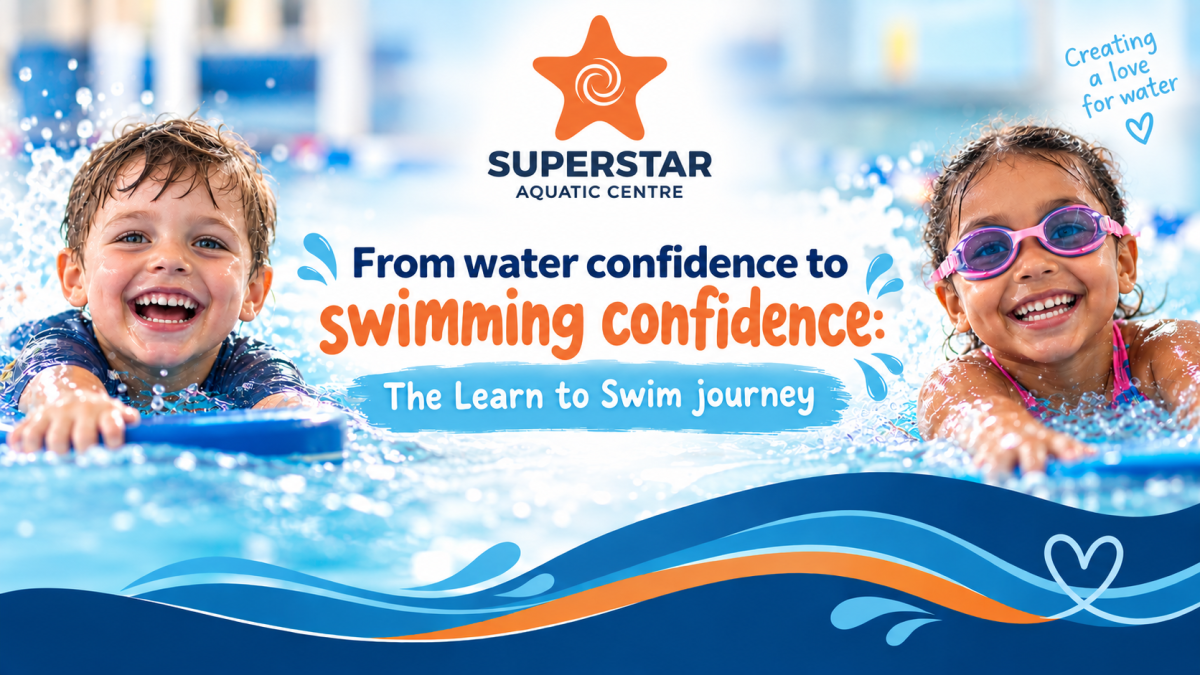
The Learn to Swim pathway begins from three years old and uses child-friendly stages to organise swimming development:
- Clownfish I, II and III focus on water confidence, breath control and increasingly independent movement.
- Dolphin and Dolphin Advanced develop buoyancy, body position and propulsion.
- Lionfish, Firefish and Scorpionfish build foundational strokes, balance, coordination and stamina as swimmers progress.
These stages create recognisable goals without reducing progress to whether a child has passed or failed a level.
One swimmer may quickly become comfortable putting their face into the water but need more time to develop balance. Another may understand a movement but require reassurance before attempting it independently. A confident child may still need support with breathing or coordination.
The framework helps teachers identify these individual building blocks and develop them purposefully.
How does the programme support different ages and abilities?
RAID Swim Global extends beyond childhood swimming lessons. Its broader pathways include adult swimming, adaptive instruction, aquatic fitness, stroke development and additional aquatic disciplines.
Adult beginners can learn within a programme that respects adult experiences and concerns rather than placing them into a version of a children’s lesson.
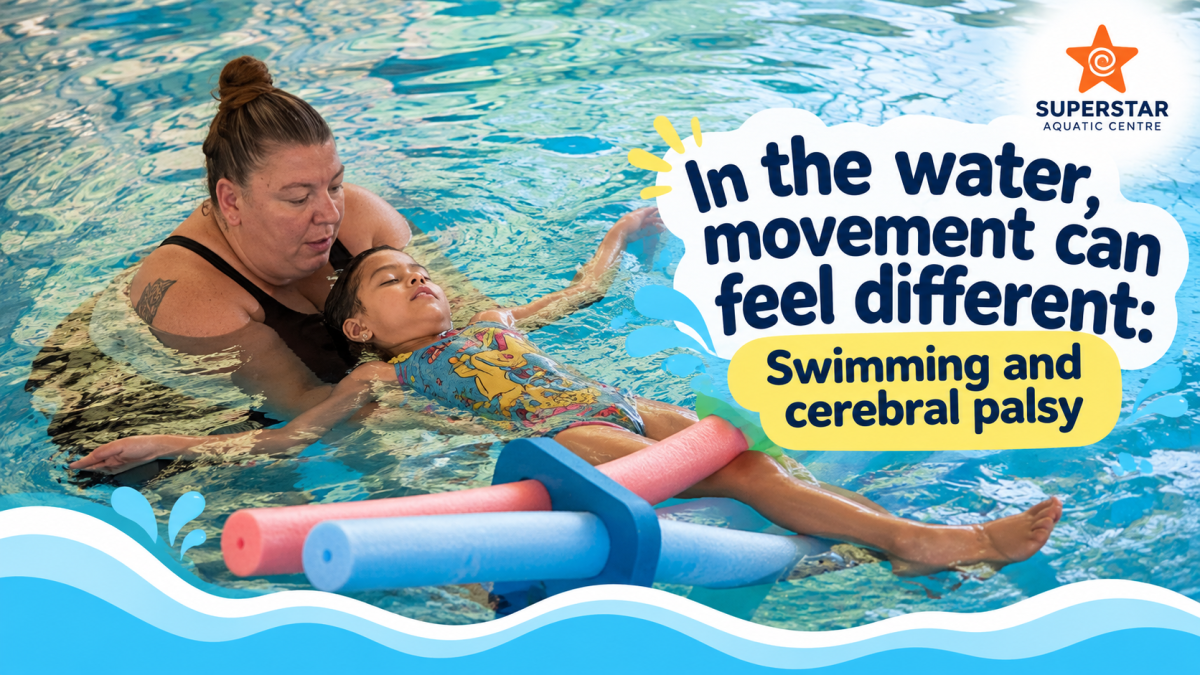
Adaptive and special-needs swimmers can be supported through modified techniques that consider their movement, communication, sensory and physical needs.
Across every pathway, the aim is to provide a clear learning structure while recognising that swimmers may need different teaching methods, levels of support and amounts of time.
What does RAID Swim Global mean for swimmers and parents?
The structure behind a swimming programme shapes both the swimmer’s experience and the parent’s understanding of their progress.
| For the swimmer | For the parent |
| Clear progression: Structured stages provide achievable goals and help swimmers recognise how their skills are developing. | Greater peace of mind: Lessons follow a structured curriculum and are delivered by teachers who continue developing their professional knowledge. |
| Purposeful enjoyment: Lessons combine skill development, repetition, play and supportive engagement. | A clearer view of progress: Parents can better understand what their child is working on, which skills have developed and what may come next. |
| Practical swimming skills: Swimmers gradually develop water confidence, breath control, buoyancy, body position, movement and technique. | Consistent development: Each lesson builds on previous learning rather than functioning as a disconnected activity. |
| Individual support: Teaching can be adapted to the swimmer’s age, confidence, abilities and learning needs. | A suitable starting point: Parents do not need to identify the correct level themselves. Teachers can assess the swimmer and guide their progression. |
Why does Super Star use RAID Swim Global?
Super Star uses RAID Swim Global because quality swimming instruction requires both a clear curriculum and responsive teaching.
The curriculum gives every lesson direction. The teacher brings it to life by observing the swimmer and deciding when to encourage, repeat, simplify, adapt or progress an activity.
This methodology shapes our Baby Swimming and Learn to Swim lessons, supports our inclusive teaching approach and contributes to the continual development of our teachers.
Most importantly, it helps us keep the individual swimmer at the centre of the lesson.
Every swimming journey starts somewhere different. Our role is to understand that starting point and help each swimmer build confidence and ability through patient, purposeful progression.
To learn more about Baby Swimming or Learn to Swim classes at Super Star, contact our team. We will help you find the right starting point for your swimmer.